Continuous Glucose Monitoring System (CGMS)
Real-time insights for better diabetes control
What is Continuous Glucose Monitoring?
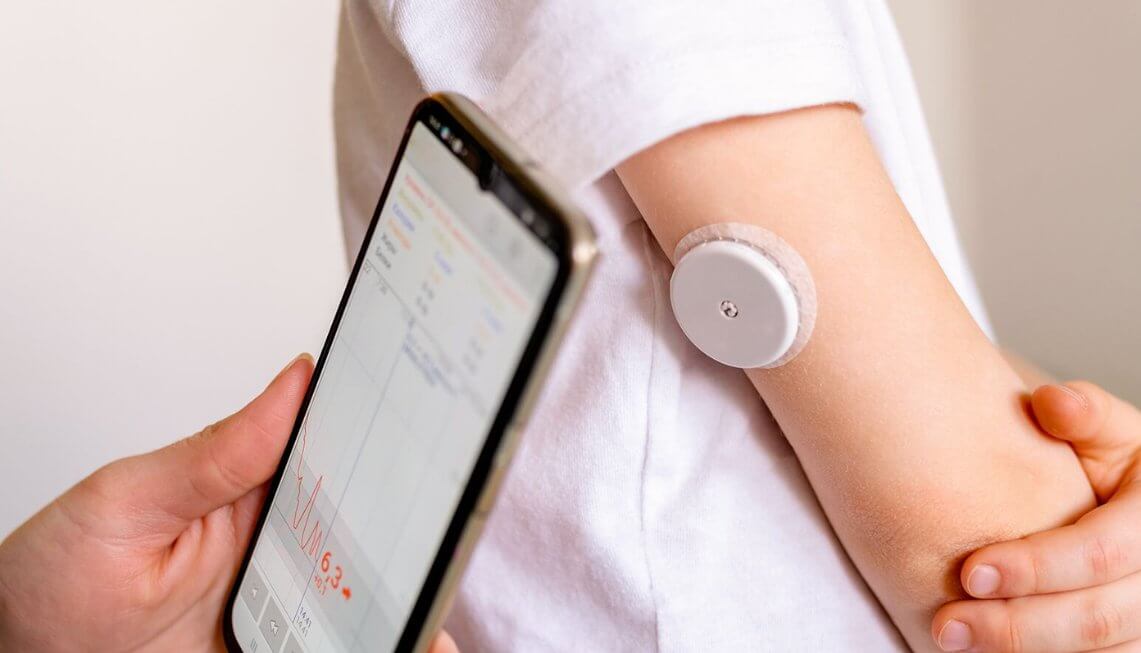
Continuous glucose monitoring, or CGM, is a new method for people with diabetes to track their glucose levels. It measures glucose levels in the fluid around body cells every few minutes throughout the day and night. Most people who use CGM have type 1 diabetes, and many also use an insulin pump.
CGM has several benefits compared to fingerstick testing. It lets you check glucose levels without pricking your finger. The device checks glucose levels every one to five minutes.
CGM Provides the User
Also, the system can sound an alarm if glucose levels are too high or too low. Users can set alarms based on their personal glucose targets.
Why is CGM Used?
Fingerstick tests only show glucose levels at certain times, like a snapshot of what happened during the day. CGM, on the other hand, shows the changes in glucose levels throughout the day and night, like watching a movie.
This information helps users take actions to keep their blood glucose levels safe. They can also share reports from the CGM system with their healthcare team to help adjust their diabetes management plan.
What People Can Expect from CGMS
Studies have shown that CGM can help people with type 1 diabetes keep their blood glucose levels more stable. This can lead to fewer health problems, both in daily life and in the long term.
How Does CGM Work?
First, a minute device called a "sensor" is placed just under the skin of the abdomen. The insertion is quick and usually not painful. It is held in place with tape. The sensor measures glucose levels every 10 seconds and sends this information through a wire to a small "monitor" that you wear on your belt or waist. The system automatically records an average glucose value every five minutes for up to seven days.
After the three to seven-day period, the sensor is removed at the doctor's office, and the information is downloaded into a computer. You and your doctor can then look at the blood sugar levels and other data to make any needed changes to your diabetes care plan. The data is shown as graphs or charts to help see patterns in your glucose levels.
The Daily Glucose Profile from the Continuous Glucose Monitoring System (CGMS) highlights episodes of low blood sugar during the night and after insulin use.
Key Advantages of CGM
CGM is not meant for everyday use or long-term self-care. It is not a replacement for regular blood sugar checks. It is only used to find trends in your blood sugar levels, which helps your healthcare team make better treatment decisions.
One main advantage of CGM is that it can find changes and trends in glucose levels that are not seen with standard tests like HbA1c or fingersticks.
CGM Can Detect:
- •Dangerously low glucose levels at night
- •High glucose levels between meals
- •Early morning spikes
- •How diet and exercise affect blood glucose
- •The effects of changes your doctor has made to your treatment
Your doctor can advice on how often you need the procedure to properly track your blood sugar patterns.
Experience Better Glucose Control with CGMS
Schedule a consultation to learn about CGMS options